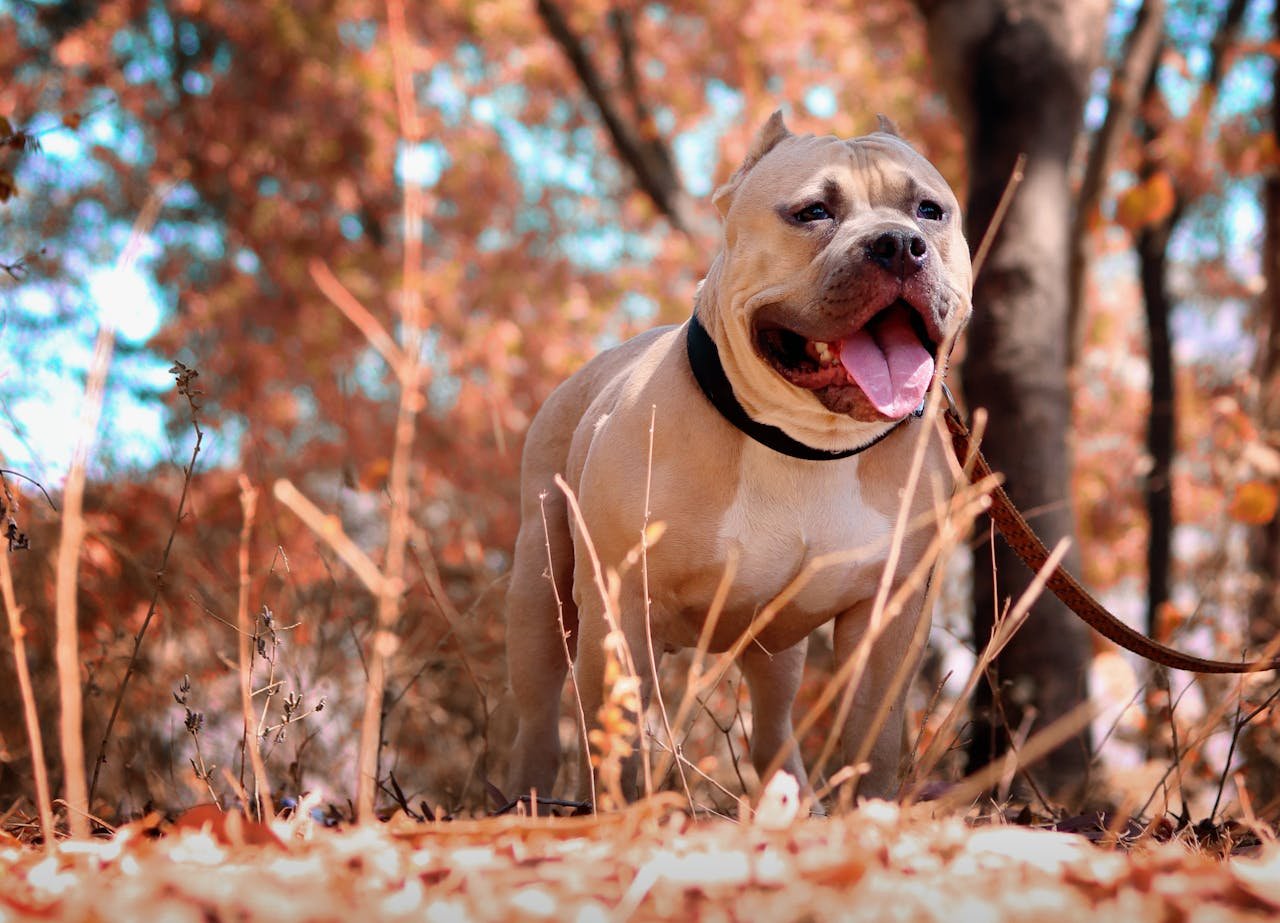

When it comes to pitbulls, there’s often confusion about what exactly constitutes this popular dog type. While many people use “pitbull” as a catch-all term, there are actually several distinct breeds and bloodlines that fall under this umbrella. This guide will walk you through the official varieties, their characteristics, and what makes each one unique.
1. American Pit Bull Terrier
The American Pit Bull Terrier (APBT) is the only breed that everyone universally agrees is a Pit Bull – it’s in the name, after all!2 This medium-sized dog typically weighs between 35-60 pounds for males and 30-50 pounds for females, standing about 18-21 inches tall for males and 17-20 inches for females.10
With their muscular build and loyal temperament, APBTs form strong bonds with their families and are known for being affectionate companions. They require plenty of exercise and mental stimulation to channel their natural energy in positive ways.2
2. American Staffordshire Terrier
The American Staffordshire Terrier was technically the same breed as the American Pit Bull Terrier for decades. When the American Kennel Club decided to recognize the breed, they changed the name to separate it from its dogfighting history.2
These dogs are often mellow and friendly with proper socialization, though some may exhibit dog-on-dog aggression that can be mitigated through early training. They’re described as playful and good-natured, making them excellent companions for active households.2
3. Staffordshire Bull Terrier
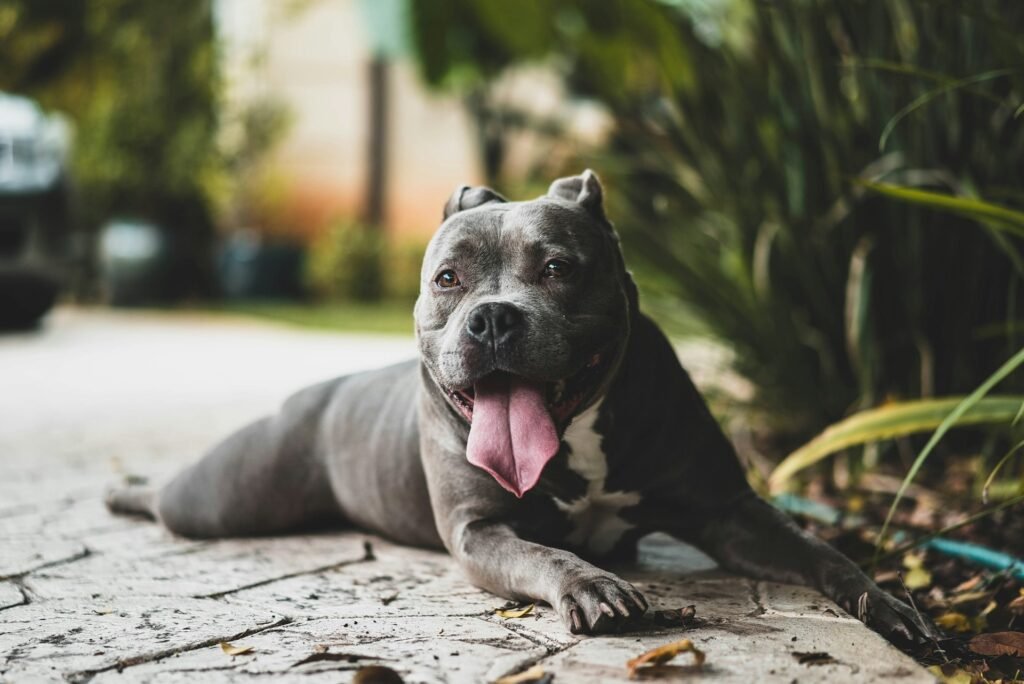
The Staffordshire Bull Terrier is a British breed that developed from the dogs that weren’t exported to America. Smaller than their American cousins, these dogs were primarily kept as companion animals even when dogfighting was legal.2
Known for being extremely loyal and affectionate, Staffordshire Bull Terriers are a solid option for families with children. Their gentle nature and playful attitude make them great playmates for kids.2
4. American Bulldog
The American Bulldog descends from the English Bulldog and was primarily used as a working dog on farms in America. With their muscular build and devoted personality, these dogs are highly people-oriented and can suffer from separation anxiety.2
They make excellent family pets but require proper socialization and training due to their protective nature. Their larger size and energetic temperament mean supervision is important around small children.2
5. American Bully
The American Bully is a relatively new breed that first appeared around the 1980s. Recognized by the United Kennel Club but not the American Kennel Club, these dogs are more compact and muscular than other pitbull types.2
With their giant heads and “bully” appearance, they’re extremely athletic and require an active lifestyle. Despite their intimidating look, they’re bred for companionship rather than aggression.23
6. Colby Pitbull
The Colby Pitbull bloodline is one of America’s oldest and most popular, started by John Colby in 1889. This historic lineage features dogs with highly muscular builds, broad heads, and short tails.110
With over 100 years of history, Colby Pitbulls are known for their even temperament and make great family dogs. They do shed considerably, so regular grooming is necessary to keep them looking their best.1
7. Old Family Red Nose Pitbull
The Old Family Red Nose (OFRN) is an old strain originating in Ireland, known for their distinctive reddish coloration. These dogs typically have a copper-red nose and coat, red lips, red toe nails, and red or amber eyes.110
Originally bred for their “gameness,” this bloodline has been preserved by some of the most reputable breeders of the past. Not every red-nosed pitbull is a true OFRN – the dog must have a high percentage of recognized bloodlines in its pedigree.10
8. Razor’s Edge Pit Bull
Despite its intense name, the Razor’s Edge bloodline is known for being one of the best companion breeds of Pitbull. These dogs have a mild and calm temperament, making them excellent family pets.1
Physically, they feature a blocky muzzle with a broad chest and large bones despite their otherwise slim body. Their coarse coat should look sleek and shiny with proper care.1
9. Gottiline Pitbull
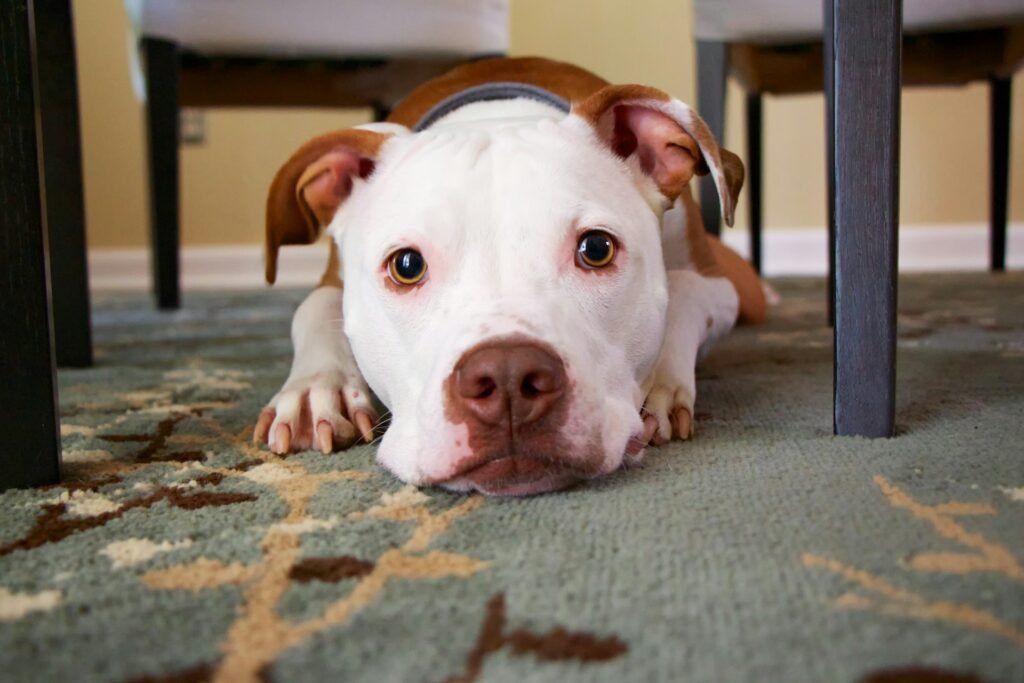
Gottiline Pitbulls are named for their sire, Juan Gotty, who sired over 1,000 puppies in his lifetime. These dogs are incredibly bulky and muscular with broad, square heads and a defined neck that blends seamlessly into the chest.1
Their powerful appearance belies their family-friendly nature when properly trained and socialized. Like all pitbull varieties, they thrive with consistent training and plenty of exercise.
| Pitbull Type | Weight Range | Height Range | Origin | Notable Characteristics |
|---|---|---|---|---|
| American Pit Bull Terrier | 35-60 lbs (males), 30-50 lbs (females) | 18-21 inches (males), 17-20 inches (females) | United States | Athletic build, loyal temperament |
| American Staffordshire Terrier | Similar to APBT but slightly stockier | Similar to APBT | United States | Mellow, friendly with proper socialization |
| Staffordshire Bull Terrier | Smaller than American varieties | Shorter than American varieties | United Kingdom | Extremely loyal, good with children |
| American Bulldog | 50-120 lbs | 20-28 inches | United States | Working dog background, people-oriented |
| American Bully | 30-130 lbs (varies by size class) | Varies by size class | United States | Compact, muscular, companion-focused |
| Colby Pitbull | Similar to APBT | Similar to APBT | United States (1889) | Historic bloodline, even temperament |
| Old Family Red Nose | Similar to APBT | Similar to APBT | Ireland | Distinctive red coloration, red nose |
| Razor’s Edge | Similar to American Bully | Similar to American Bully | United States | Mild temperament, blocky muzzle |
| Gottiline | Heavier than standard APBT | Similar to APBT | United States | Extremely muscular, broad head |
FAQ About Pitbulls
Are pitbulls easy to identify?
No. Visual identification of pitbull-type dogs is highly unreliable. Studies have shown that nearly 90% of dogs in shelters visually identified as a particular breed are mislabeled. The only accurate way to determine a dog’s breed is through DNA testing.812
Are pitbulls more aggressive than other dogs?
No. Aggression is not a breed characteristic or personality trait. The American Temperament Test Society has found that pitbull-type dogs passed temperament tests at a higher rate than many other breeds, including golden retrievers and border collies.8
Do pitbulls have locking jaws?
No. This is a myth. There is no such thing as a dog with locking jaws. Pitbulls are no different physiologically from other dogs.8
What type of food should pitbulls eat?
Pitbulls do well on high-quality, protein-rich diets. They’re not usually picky eaters, but monitor for allergic reactions when transitioning diets. Supplements for hip and joint health, skin and coat, and probiotics can benefit their overall health.9
Are pitbulls good family dogs?
Yes. When properly trained and socialized, pitbull-type dogs can make excellent family companions. Their loyalty, affection, and playful nature make them good matches for active households that can provide consistent training and exercise.8
Training Your Pitbull
Proper training is essential for any dog, but especially important for pitbull-type breeds. These intelligent, eager-to-please dogs respond well to positive reinforcement training methods. Early socialization and obedience training are key to raising a well-behaved pitbull that will be a great ambassador for the breed.15
- Start training early, as soon as your puppy has completed vaccinations
- Use positive reinforcement techniques
- Enroll in obedience classes
- Socialize with various people, animals, and environments
- Be consistent with rules and boundaries
- Provide mental stimulation along with physical exercise
Remember that a well-trained pitbull helps fight prejudice and misconceptions about these often misunderstood dogs. With proper care, training, and socialization, any of these pitbull varieties can make a loving, loyal companion for the right family.