

Japan’s relationship with dogs stretches back thousands of years, with archaeological evidence indicating dogs first appeared in Japan at least 9,300 years ago during the Jomon period4. These ancient companions have evolved into distinctive breeds that reflect Japan’s culture, geography, and values.
1. Shiba Inu
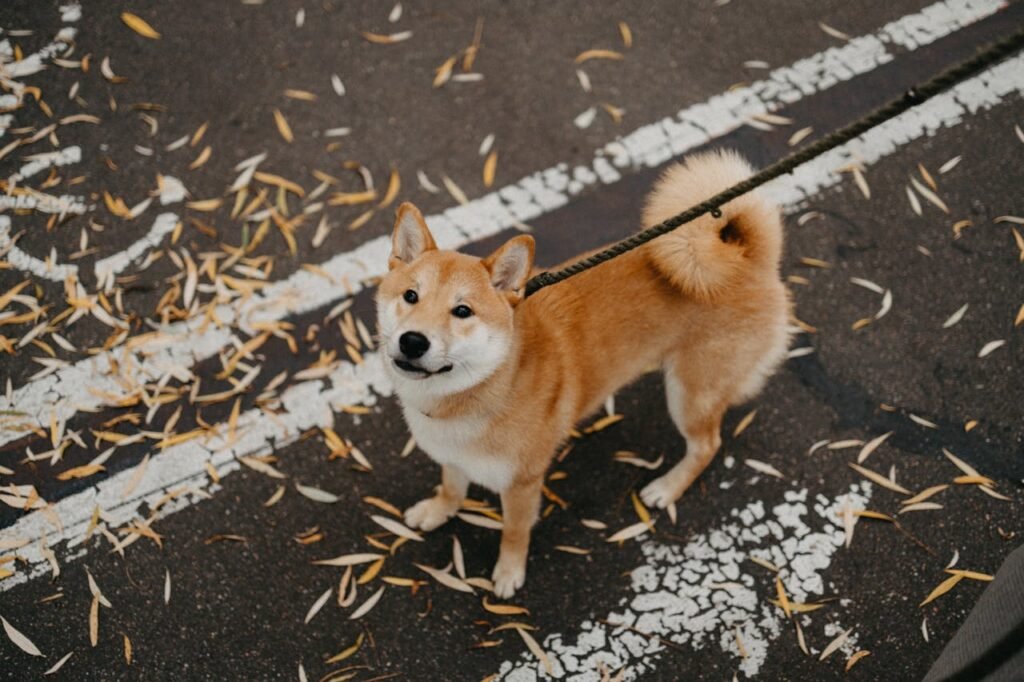
The Shiba Inu is perhaps Japan’s most recognizable canine ambassador. This small but mighty breed weighs just 17-23 pounds and was originally bred to hunt small game and even wild boar6. With their fox-like appearance, curled tail, and independent spirit, Shibas embody the stoic yet cute personality that many associate with Japanese aesthetics7.
Shibas are intelligent dogs that need plenty of mental stimulation to prevent boredom. Without adequate exercise or attention, they might let out their famous “Shiba scream” to express frustration6.
2. Akita
The Akita originated in Japan’s northern Akita region and represents loyalty and devotion in Japanese culture. Originally medium-sized bear-hunting dogs, they later became companions to samurai in the early 19th century8.
The Akita’s loyalty is immortalized in the story of Hachiko, who waited faithfully for nine years for his deceased owner to return from work in the 1920s6. Today, a statue in Tokyo honors this remarkable display of devotion.
Akitas are powerful, dominant, and loyal breeds that remain aloof with strangers while being deeply affectionate with family members1.
3. Hokkaido
The Hokkaido breed, named after Japan’s northernmost island, has ancient origins dating back nearly 8,000 years2. These dogs were first bred by the indigenous Ainu people as bear and deer hunters, earning them the original name “Ainu Ken” (Ainu dog)2.
Hokkaido dogs are rugged, loyal companions with remarkable stamina. They want to do everything with their people but require experienced handlers due to their bold nature and hunting instincts212. The breed is characterized by its medium size, weighing between 30-45 pounds, and comes in various colors including red, black, white, brindle, and wolf grey12.



4. Japanese Chin
Despite its name suggesting Japanese origins, the Japanese Chin was actually first bred in China before making its way to Japan2. There, they served as companions to the Japanese Imperial Family, eventually spreading to the rest of the world under the name “Japanese spaniel”2.
These elegant toy dogs stand just 8-11 inches tall and weigh 7-11 pounds11. Their silky coats come in various color combinations including black and white, red and white, and tricolor patterns11. Japanese Chins are known for their cat-like behaviors—they use their paws to wash their faces and often hide in unexpected places to sleep12.
5. Japanese Spitz
The Japanese Spitz is a relatively recent addition to Japan’s canine heritage, developed between the 1920s and 1930s by crossbreeding other spitz-type dogs9. After World War II, the breed standards were finalized and officially accepted by the Japanese Kennel Club9.
These small to medium-sized dogs are instantly recognizable by their pure white, fluffy coats and curled tails910. Standing 10-16 inches tall and weighing 17-32 pounds, they make excellent companions with their playful, loyal, and affectionate temperament11. Japanese Spitz are known for being quieter than many other breeds, rarely barking without good reason11.
6. Kishu Ken
The Kishu Ken is renowned for its remarkable stamina and hunting prowess. These medium-sized dogs were historically valued for their tracking abilities and endurance6.
While friendly and social with their families, Kishu Ken maintain a strong prey drive from their hunting heritage. This makes them potentially challenging around smaller pets, though they generally get along well with people and other dogs when properly socialized6.
7. Japanese Terrier
Unlike most Japanese breeds with their fluffy coats, the Japanese Terrier sports a short, sleek coat that requires minimal grooming6. These small dogs typically weigh between 5-10 pounds and stand 8-13 inches tall9.
The Japanese Terrier emerged in the 17th century when Dutch traders bred smooth fox terriers with small native Japanese dogs9. By the 1900s, they were known as “Kobe terriers,” and the Japanese Kennel Club officially recognized the breed in 19309. Historically used to hunt rats and mice, they’ve evolved into affectionate companions with high energy and intelligence9.
8. Shikoku
The Shikoku is an enthusiastic hunter with excellent tracking abilities. Historically prized for hunting wild boar, this breed is now one of Japan’s rarest native dogs6.
Shikoku dogs possess boundless energy and a strong chase instinct. Owners must keep them securely leashed or within fenced areas to prevent them from pursuing wildlife6. Despite their rarity, those fortunate enough to know a Shikoku discover a loyal and energetic companion.
9. Kai Ken
The Kai Ken, discovered in 1929 in the mountainous regions of Kai province, is easily identified by its distinctive brindle coat that earned it the nickname “Tiger Dog”86. Due to the isolated region of its origin, the Kai Ken’s lineage has remained remarkably pure throughout history8.
These athletic, well-balanced dogs were bred to hunt mountain antelope, wild boar, deer, and pheasants8. Their well-developed muscles reflect their adaptation to Japan’s challenging mountainous terrain. The Kai Ken stands 18-22 inches tall and weighs between 25-55 pounds, with a life expectancy of 14-16 years12.
10. Tosa (Japanese Mastiff)
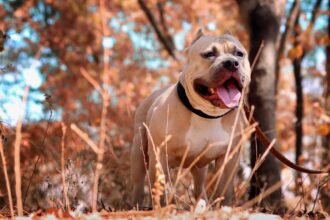
The Tosa, or Japanese Mastiff, represents a departure from Japan’s native spitz-type dogs. This breed originated as a cross between the Shikoku and European breeds like the Mastiff and Old English Bulldog2.
These large, powerful dogs were historically bred for fighting and nearly faced extinction after World War II before dedicated breeders revived the population2. Tosas are loyal to their families but typically wary around strangers and other dogs, requiring experienced owners committed to early socialization and training2.
Japanese Dog Breed Comparison Table
| Breed | Size | Weight (lbs) | Life Expectancy (years) | Temperament | Original Purpose |
|---|---|---|---|---|---|
| Shiba Inu | Small | 18-24 | 12-15 | Independent, energetic | Hunting small game |
| Akita | Large | 70-130 | 10-12 | Loyal, protective | Bear hunting, guarding |
| Hokkaido | Medium | 30-45 | 12-15 | Loyal, bold | Bear and deer hunting |
| Japanese Chin | Toy | 7-11 | 12-14 | Affectionate, intelligent | Companionship |
| Japanese Spitz | Small | 17-32 | 12-16 | Playful, loyal | Companionship |
| Kishu Ken | Medium | 30-60 | 11-13 | Social, energetic | Hunting |
| Japanese Terrier | Small | 5-10 | 10-12 | Intelligent, high-energy | Rat hunting |
| Shikoku | Medium | 35-55 | 10-12 | Enthusiastic, energetic | Boar hunting |
| Kai Ken | Medium | 25-55 | 14-16 | Intelligent, brave | Hunting |
| Tosa | Large | 100-200 | 10-12 | Loyal, protective | Fighting, guarding |
FAQ About Japanese Dog Breeds
Q: What makes Japanese dog breeds unique?
A: Most native Japanese dogs belong to the “spitz” family, characterized by curled tails, double coats, and pointed features. They were developed in isolation, preserving ancient traits for thousands of years9.
Q: Are Japanese dog breeds good family pets?
A: It depends on the breed. Some, like the Japanese Spitz and Japanese Chin, make excellent family companions. Others, like the Akita and Tosa, may require experienced handlers and careful socialization, especially around children.
Q: Do Japanese dog breeds do well in apartments?
A: Smaller breeds like the Japanese Chin and Japanese Spitz can adapt well to apartment living. However, most Japanese breeds were developed as working dogs and require significant exercise and mental stimulation regardless of living space7.
Q: How did Japanese dog breeds evolve?
A: Dogs first appeared in Japan around 9,300 years ago during the Jomon period. Throughout their 7,000-year presence, these dogs retained distinctive characteristics due to geographical isolation from continental dogs, eventually developing into the breeds we recognize today4.
Q: Are Japanese dog breeds difficult to train?
A: Many Japanese breeds are intelligent but independent-minded. They respond best to consistent, positive reinforcement training methods and may challenge inexperienced owners with their strong wills.
Japanese dog breeds represent a fascinating blend of ancient heritage and modern companionship. Whether you’re drawn to the loyal Akita, the spirited Shiba Inu, or the elegant Japanese Chin, these breeds offer a living connection to Japan’s rich cultural history and its enduring relationship with canine companions.