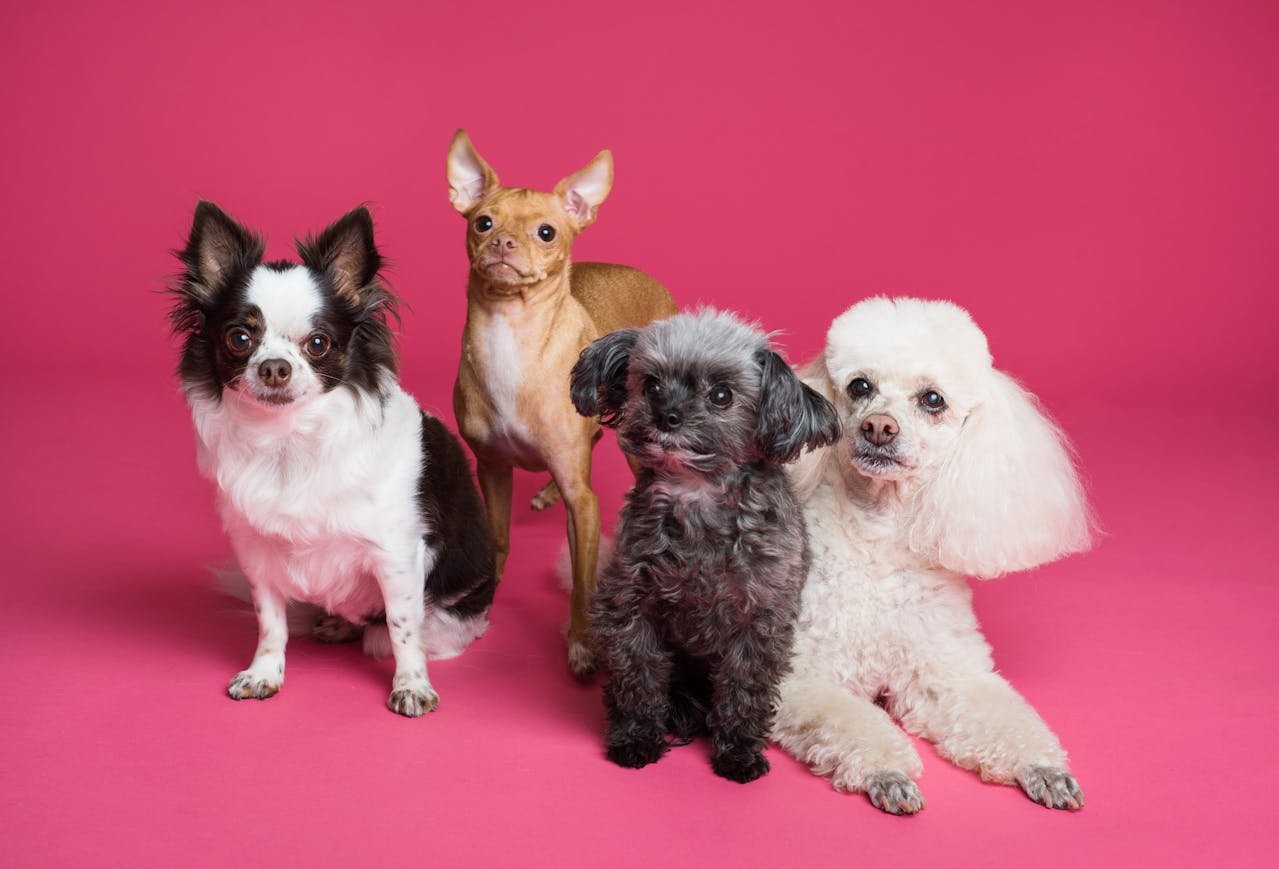

If you’re an allergy sufferer who dreams of owning a dog, you’re not alone. Approximately 10-20% of the world’s population is allergic to dog dander. Fortunately, there are several small dog breeds that shed minimally, making them ideal companions for allergy-prone individuals or those who simply prefer a cleaner home.
While no dog is completely allergen-free, certain breeds produce fewer allergens and shed less hair, significantly reducing allergy symptoms. This comprehensive guide explores the best small, low-shedding dog breeds, why they shed less, and how to care for them to minimize allergens in your home.
1. Understanding Hypoallergenic Dogs
Contrary to popular belief, there’s no such thing as a completely hypoallergenic dog. All dogs produce allergens to some extent, primarily through proteins found in their saliva, urine, and dander (dead skin cells)1. However, some breeds produce significantly fewer allergens than others.
The term “hypoallergenic” refers to dogs that typically:
- Shed minimally or not at all
- Have hair instead of fur (similar to human hair)
- Produce less dander
- Have coats that trap loose hair and allergens
Dogs with continuously growing coats often trap loose hairs rather than shedding them. This means fewer allergens are released into the environment. Additionally, some breeds have single coats or specific coat textures that minimize dander spread, making them more suitable for allergy sufferers.
It’s important to note that even non-shedding dogs require regular grooming to maintain their hypoallergenic qualities. Without proper care, allergens can still accumulate in their coat and eventually spread throughout your home.
2. Top Small Dog Breeds That Don’t Shed
Here’s a comprehensive look at the best small, low-shedding dog breeds for allergy sufferers:
Bichon Frise
These cheerful, cotton-ball-like dogs are among the American Kennel Club’s top picks for allergy sufferers10. With a curly, dense coat that traps loose hair and dander, Bichons shed very little. They’re playful, affectionate, and well-suited for apartment living due to their small size (typically under 12 pounds)1.


Maltese
The Maltese is a favorite breed among those seeking small dogs that don’t shed1. These elegant toy dogs have a silky, white coat that grows continuously like human hair rather than shedding seasonally. Weighing under 7 pounds, they’re perfect for apartment living and are known for their gentle, affectionate personalities1.
Yorkshire Terrier
Yorkies have fine, hair-like coats that shed minimally. Their hair has a texture similar to human hair, making it less likely to trigger allergies. Despite their tiny size (under 7 pounds), these dogs have bold personalities and make excellent companions for those with limited space.
Shih Tzu
With their luxurious, flowing coat, you might expect Shih Tzus to shed heavily, but they actually shed very little. Their hair grows continuously rather than shedding seasonally, which helps reduce allergens in the home. These affectionate, gentle dogs typically weigh between 9-16 pounds and are well-suited for apartment living.
Miniature Schnauzer
Known for their distinctive beards and eyebrows, Miniature Schnauzers have a wiry coat that sheds minimally. They’re intelligent, lively, and easy to train, making them excellent companions for individuals and families alike. Weighing between 11-20 pounds, they’re small but sturdy dogs with lower dander levels1.
Havanese
The Havanese breed features a silky, low-shedding coat that requires regular brushing but sheds very little. These friendly, adaptable dogs typically weigh between 7-13 pounds and are known for their playful, affectionate nature. Their soft, silky coat makes them a great option for people with allergies6.
Basenji
Basenjis are unique in that they groom themselves like cats and shed very little2. They have a short, fine coat that requires minimal grooming, making them one of the most low-maintenance options on this list14. Known as the “barkless dog,” Basenjis are independent and intelligent, weighing between 20-24 pounds1.
3. Comparison of Small Non-Shedding Dog Breeds
| Breed | Weight (lbs) | Coat Type | Grooming Needs | Temperament | Good for Apartments |
|---|---|---|---|---|---|
| Bichon Frise | Under 12 | Curly, dense | High | Playful, affectionate | Excellent |
| Maltese | Under 7 | Long, silky | High | Gentle, affectionate | Excellent |
| Yorkshire Terrier | Under 7 | Fine, silky | Moderate | Bold, energetic | Excellent |
| Shih Tzu | 9-16 | Long, flowing | High | Affectionate, gentle | Excellent |
| Miniature Schnauzer | 11-20 | Wiry | Moderate | Intelligent, alert | Very good |
| Havanese | 7-13 | Silky, soft | Moderate | Playful, adaptable | Excellent |
| Basenji | 20-24 | Short, fine | Low | Independent, quiet | Good |
| Toy Poodle | 6-10 | Curly | High | Intelligent, active | Very good |
| Affenpinscher | Under 10 | Dense, wiry | Moderate | Confident, playful | Excellent |
| Chinese Crested | 8-12 | Hairless/Silky | Moderate | Affectionate, lively | Excellent |
4. Why These Dogs Shed Less
Understanding why certain breeds shed less can help you choose the right dog for your specific needs:
- Continuously growing coats: Many hypoallergenic breeds have hair that grows continuously, similar to human hair, rather than fur that sheds seasonally6. This continuous growth means loose hairs often remain trapped in the coat until brushed out, rather than falling around your home.
- Single-layer coats: Dogs with single coats typically shed less than those with double coats6. Double-coated breeds have an undercoat that sheds seasonally, while single-coated breeds lack this undercoat.
- Coat texture: The texture of a dog’s coat plays a significant role in shedding. Curly or wiry-haired breeds often trap loose hair within their coat rather than releasing it into the environment1.
- Genetic factors: Some breeds have been selectively bred over generations to minimize shedding6. This genetic predisposition helps reduce the amount of hair and dander they release.
- Size: While size itself doesn’t determine shedding, smaller dogs generally have less surface area from which to shed, resulting in less overall hair in your home compared to larger breeds.
Remember that even these low-shedding breeds will still produce some allergens. Individual dogs within the same breed may also vary in how much they shed and the allergens they produce.
5. Caring for Your Low-Shedding Dog
Proper care is essential to maintain the hypoallergenic qualities of these breeds:
Regular Grooming
Most low-shedding breeds require regular grooming to prevent matting and remove trapped hair and dander:
- Brushing: Brush your dog’s coat several times a week (or daily for long-haired breeds) to remove loose hair before it can spread around your home5.
- Professional grooming: Schedule professional grooming every 4-8 weeks for breeds with continuously growing hair5. This helps maintain coat health and reduces allergens.
- Bathing: Regular baths with appropriate dog shampoo help remove allergens from your dog’s coat. Aim for bathing every 4-6 weeks, or as recommended by your veterinarian5.
- Coat trimming: Keep your dog’s coat at a manageable length to reduce matting and make grooming easier.
Allergen Management
Beyond grooming, these practices can help minimize allergens in your home:
- Regular cleaning: Vacuum your home frequently using a vacuum with a HEPA filter to remove pet dander and hair7.
- Air purification: Use HEPA air purifiers in rooms where your dog spends the most time to filter allergens from the air7.
- Washing bedding: Clean your dog’s bedding weekly in hot water to remove allergens7.
- Designated spaces: Consider creating dog-free zones in your home, particularly bedrooms, to provide allergen-free areas.
- Hand washing: Wash your hands after petting or playing with your dog to reduce the spread of allergens.
6. Advantages of Hypoallergenic Dogs
Choosing a hypoallergenic dog offers several benefits beyond reduced allergic reactions:
- Less cleaning: With minimal shedding, you’ll spend less time vacuuming and cleaning up pet hair around your home4.
- Hair-free clothing: You won’t have to worry about constantly removing dog hair from your clothes before leaving the house4.
- Reduced drooling: Many hypoallergenic breeds also tend to drool less, further reducing allergens from saliva4.
- Fewer allergens in urine: Some hypoallergenic breeds produce urine with fewer allergens, reducing another potential source of reactions4.
- More quality time: Perhaps most importantly, you can spend more time cuddling and playing with your dog without triggering allergic reactions4.
These advantages make hypoallergenic dogs an excellent choice not only for allergy sufferers but also for anyone who prefers a cleaner living environment with less pet hair.
7. Common Myths About Hypoallergenic Dogs
Let’s address some common misconceptions about hypoallergenic dogs:
- Myth: Hypoallergenic dogs are completely allergen-free.
Fact: No dog is 100% allergen-free. All dogs produce some level of allergens, though hypoallergenic breeds produce significantly less7. - Myth: Hypoallergenic dogs are all small breeds.
Fact: While many hypoallergenic dogs are small, there are medium and large hypoallergenic breeds as well, such as Standard Poodles and Portuguese Water Dogs7. - Myth: Hypoallergenic dogs don’t shed at all.
Fact: All dogs shed to some extent, but hypoallergenic breeds shed significantly less than others7. - Myth: Hypoallergenic dogs are less playful than other breeds.
Fact: A dog’s personality and energy level have nothing to do with how hypoallergenic they are. Many hypoallergenic breeds are quite playful and energetic7. - Myth: Short-haired dogs are always better for allergies.
Fact: Coat length doesn’t determine allergen production. Many long-haired breeds are actually better for allergy sufferers due to their coat type and reduced shedding.
Understanding these facts will help you set realistic expectations when choosing a hypoallergenic dog.
8. Frequently Asked Questions
Q: Are hypoallergenic dogs completely allergen-free?
A: No, all dogs produce some allergens. Hypoallergenic dogs typically produce fewer allergens and shed less, which can reduce allergy symptoms, but they’re not completely allergen-free7.
Q: Do small dogs shed less than large dogs?
A: Not necessarily. Shedding depends on the breed and coat type, not size. However, smaller dogs have less surface area from which to shed, so the total volume of hair may be less.
Q: Are Labradors hypoallergenic?
A: No, Labradors are not hypoallergenic. They shed quite a bit, and their fur and dander can trigger allergies in sensitive individuals3.
Q: How often should I groom my hypoallergenic dog?
A: Most hypoallergenic breeds require brushing several times a week and professional grooming every 4-8 weeks. Specific needs vary by breed and coat type5.
Q: Can I develop allergies to a hypoallergenic dog over time?
A: Yes, it’s possible to develop allergies even to hypoallergenic breeds. Spend time with the specific breed before adopting to test your sensitivity.
Q: Do hypoallergenic dogs require special food?
A: Not specifically for their hypoallergenic qualities. However, a high-quality diet can help maintain healthy skin and coat, which may further reduce allergens.
9. Conclusion
Small dogs that don’t shed offer a wonderful opportunity for allergy sufferers to enjoy the companionship of a canine friend without constant sneezing and itching. While no dog is completely allergen-free, breeds like the Bichon Frise, Maltese, Yorkshire Terrier, and Shih Tzu produce significantly fewer allergens than their heavily-shedding counterparts.
Remember that proper grooming and home maintenance are essential to minimize allergens, regardless of which breed you choose. Regular brushing, professional grooming, and cleaning your home frequently will help keep allergens at bay.
Before bringing home a new furry friend, spend time with the specific breed to ensure your allergies remain manageable. With the right breed and proper care, you can enjoy all the love and companionship of a dog without the sneezing, itching, and constant cleaning that typically comes with pet ownership.
Whether you’re seeking a playful companion, a loyal lap dog, or an intelligent, trainable pet, there’s a small, low-shedding breed that’s perfect for your lifestyle and allergy needs.