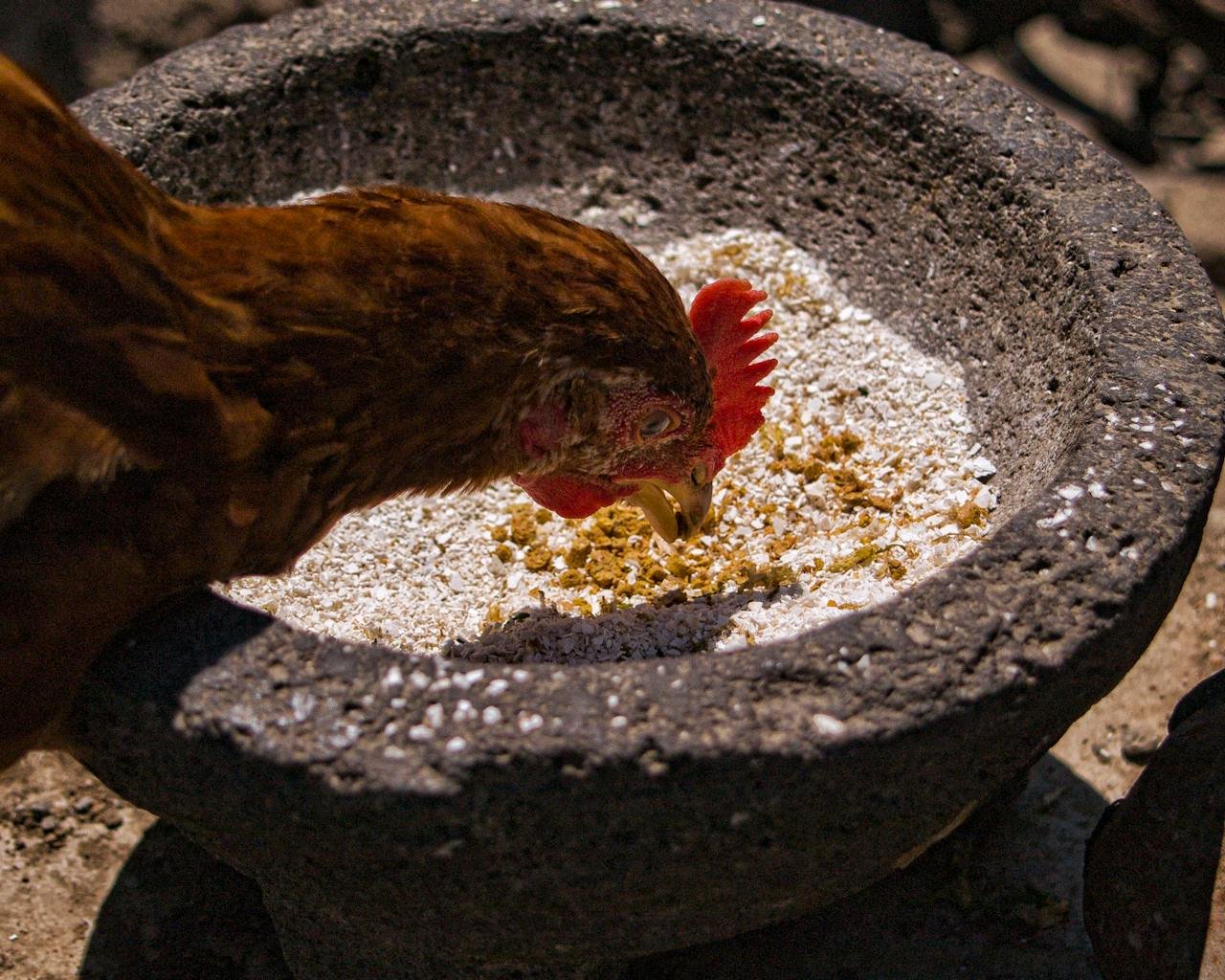

In today’s challenging agricultural economy, managing feed costs while maintaining healthy livestock is a critical balancing act for farmers. With proper seasonal foraging strategies, farmers can significantly reduce feed expenses while improving animal health and farm sustainability. This comprehensive guide explores practical approaches to maximize forage utilization throughout the year, helping you make the most of your land and resources.
Understanding Seasonal Forage Production
Forage production naturally fluctuates throughout the year due to weather patterns, plant growth cycles, and environmental conditions. This seasonality creates challenges for maintaining consistent feed supplies for livestock3.
Seasonal growth variations occur for several reasons:
- Low sunlight during rainy or overcast weather
- Different growth patterns of forage species
- Flowering or dormancy periods of plants
- Temperature fluctuations affecting plant metabolism
Understanding these patterns is essential for developing effective year-round feeding strategies. In most regions, forage production follows a predictable curve with spring and early summer peaks, followed by summer slowdowns (often called the “summer slump”), and minimal growth during winter months4.
Typical Seasonal Forage Availability Pattern
| Season | Forage Production | Key Challenges | Opportunities |
|---|---|---|---|
| Spring | High/Peak | Managing surplus | Harvest excess, stockpile |
| Summer | Moderate to Low (slump) | Heat stress, reduced growth | Rotational grazing, diverse species |
| Fall | Moderate | Preparing for winter | Stockpiling, cover crops |
| Winter | Minimal to None | Maintaining nutrition | Utilizing preserved feeds, winter annuals |
Key Strategies for Seasonal Forage Management
Spring: Maximizing the Surplus
Spring typically brings abundant forage growth that often exceeds livestock needs. Smart management during this period sets the stage for success throughout the year.
- Implement rotational grazing systems
- Move livestock regularly to fresh paddocks
- Allow adequate rest periods for forage regrowth
- Maintain optimal post-grazing stubble height to promote rapid recovery4
- Harvest spring surplus
- Convert excess spring growth into hay or silage
- Focus on harvesting at optimal nutritional stages
- Consider bagged silage methods for smaller operations, which can be more economical than other storage systems2
- Aim for high-quality preservation to maintain nutritional value
- Extend grazing through species diversity
- Incorporate cool-season grasses and legumes for early spring production
- Utilize grass-legume mixtures to improve forage quality and extend production3
- Consider interseeding complementary species to fill production gaps
Summer: Navigating the Slump
Summer often brings challenges with reduced forage growth and quality. Strategic management during this period is crucial for maintaining animal performance without excessive supplemental feeding.
- Managed rotational grazing
- Implement “flex grazing” systems that adapt to changing conditions
- Move animals based on forage recovery rather than calendar schedules
- Maintain higher post-grazing stubble heights during hot periods to protect plants4
- Maximize forage diversity
- Incorporate warm-season perennials to provide growth during hot periods
- Consider drought-resistant species like switchgrass or intermediate wheatgrass
- Add deep-rooted legumes that can access moisture during dry periods4
- Strategic animal management
- Consider reducing livestock numbers during peak summer stress
- Target marketing animals before the summer slump begins
- Implement early weaning to reduce nutritional demands on mother animals
- Place dry animals on lower-quality pastures, saving better forage for producing animals4
- Utilize cover crops and annuals
- Plant summer annuals to supplement perennial pastures
- Consider complex cover crop mixtures that can withstand drought conditions
- Use these plantings to give permanent pastures needed rest4

Fall: Preparing for Winter
Fall represents a critical transition period when proper management can significantly reduce winter feeding costs.
- Stockpile forages
- Set aside pastures in late summer to accumulate growth for winter grazing
- Focus on species that maintain quality after frost (tall fescue, some native grasses)
- Apply strategic nitrogen fertilization to boost production if economically viable
- Plant fall cover crops
- Establish cool-season annuals like cereal rye, wheat, or brassicas
- These can provide high-quality grazing into early winter
- Consider interseeding these into existing pastures to extend the grazing season10
- Prepare winter feeding areas
- Designate sacrifice areas to protect main pastures during wet winter conditions
- Set up efficient feeding systems that minimize waste
- Consider strategic placement of hay feeders to distribute nutrients across fields
Winter: Efficient Supplementation
Winter typically requires some level of supplemental feeding, but strategic approaches can minimize costs while maintaining animal health.


- Utilize stockpiled forages
- Implement strip grazing with temporary fencing to improve utilization
- Allocate stockpiled forage based on nutritional needs and body condition
- Monitor forage quality and supplement as needed
- Minimize hay waste
- Use properly designed hay feeders to reduce waste
- Consider feeding smaller amounts more frequently
- For goats and sheep, provide adequate manger space (1 linear foot per adult animal) to reduce waste14
- Strategic supplementation
- Target supplements to address specific nutritional gaps
- Consider alternative feed sources like crop residues or by-products
- Implement precision feeding based on animal requirements and forage testing
Balancing Animals with Forage Resources
One of the most fundamental aspects of reducing feed costs is maintaining the proper balance between animal numbers and available forage. This balance is critical for both economic and ecological sustainability12.
Determining Proper Stocking Rates
To calculate appropriate stocking rates, consider:
- Total forage production capacity
- Measure or estimate annual production per acre
- Account for seasonal variations in growth
- Consider soil fertility and management intensity
- Animal requirements
- Calculate daily dry matter intake needs (typically 2-3% of body weight)
- Adjust for production stage (growing, lactating, maintenance)
- Factor in seasonal changes in nutritional requirements
- Utilization rate
- Only 30-60% of total forage production is typically utilized through grazing
- Higher utilization rates require more intensive management
- Lower rates may be necessary on fragile lands or during recovery periods
The basic formula for forage-animal balance is:
textTotal Yearly Forage Production (lbs) × Utilization Rate (%)
÷
[Daily intake per animal × Number of grazing days × Number of animals]
This ratio should be greater than or equal to 1 for sustainable grazing12.
Forage Conservation Strategies
While maximizing grazing is the most economical approach, some level of forage conservation is typically necessary to bridge seasonal gaps in production.
Hay Production Best Practices
- Timing is critical
- Storage considerations
- Protect hay from weather to minimize nutrient losses
- Consider the economics of different storage methods
- For small operations, bagged silage methods may be more economical than uncovered bunker silos2
Silage and Baleage Options
- Benefits of fermented forages
- Less weather-dependent at harvest than dry hay
- Often retains more nutrients than hay when properly made
- Can be an effective way to preserve higher-moisture forages
- Economic considerations
- Evaluate equipment and storage costs against potential benefits
- Consider cooperative arrangements for equipment sharing
- For 100-cow operations, bagged silage methods often provide the best economic return2
Alternative Feed Sources
During periods of forage shortage or to reduce costs, consider alternative feed sources that can supplement traditional forages.
- Crop residues and by-products
- Corn stalks, straw, and other crop residues can provide economical fiber
- Food processing by-products like distillers grains, beet pulp, or citrus pulp
- Rice by-products, sugarcane residues, and other agricultural waste streams3
- Browse and tree legumes
- Legume trees and shrubs like Leucaena and Gliricidia can provide high-protein browse
- These deep-rooted plants often produce during dry periods when grasses struggle
- They can be established in silvopasture systems or as dedicated fodder banks3
- Novel forages
- Brassicas like turnips, kale, and radishes can provide high-quality forage during gap periods
- Cover crop mixtures can serve dual purposes for soil health and livestock feed
- Warm-season annuals like sorghum-sudan grass can fill summer slump periods
Practical Implementation Tips

Forage Planning Calendar
Developing a year-round forage plan is essential for minimizing feed costs. Consider these seasonal activities:
January-February:
- Evaluate winter feeding program efficiency
- Plan spring pasture improvements
- Order seeds for spring planting
March-April:
- Begin rotational grazing as growth permits
- Apply early-season fertilizer if needed
- Plant warm-season annuals for summer grazing
May-June:
- Harvest first-cutting hay at optimal quality
- Manage rotational grazing to prevent overgrazing
- Monitor pasture growth rates and adjust stocking
July-August:
- Implement summer slump strategies
- Begin identifying paddocks for fall stockpiling
- Plant fall cover crops for extended grazing
September-October:
- Allow stockpiled pastures to accumulate growth
- Harvest final hay cuttings
- Plant winter annuals for late fall/early spring grazing
November-December:
- Begin grazing stockpiled forages
- Implement winter feeding program
- Evaluate body condition and adjust supplementation
Monitoring and Adaptation
Successful forage management requires ongoing monitoring and adaptation:
- Regular pasture assessment
- Monitor forage height, density, and composition
- Adjust grazing rotation based on growth rates
- Document seasonal patterns to improve future planning
- Animal performance tracking
- Monitor body condition scores regularly
- Track production metrics (weight gain, milk production)
- Adjust supplementation based on performance
- Economic evaluation
- Calculate cost per pound of nutrients from different sources
- Track feed expenses throughout the year
- Identify opportunities for further cost reduction
Frequently Asked Questions
Q: How many acres of pasture do I need per animal?
A: On average, you need about 2.5 acres per animal unit (1,000 pounds live weight). A 1,200-pound cow is 1.2 animal units and will need about 3 acres to meet her dry matter needs throughout the year. However, this varies greatly depending on your climate, soil fertility, forage species, and management intensity8.
Q: Can I improve my pastures by broadcasting seed?
A: In most cases, seeding grasses into existing stands of perennial grasses is not successful due to competition. Exceptions include drilling orchardgrass into failing alfalfa fields, frost-seeding annual ryegrass in late winter, or dormant seeding timothy into thin pastures. Otherwise, complete renovation may be necessary8.
Q: What is the most cost-effective silage system for small farms?
A: For a 100-cow dairy farm, bagged silage methods are often most economical, followed by stave silos and wrapped bale silage. Uncovered bunker silos typically show the lowest profitability due to higher storage losses2.
Q: How can I extend the grazing season into winter?
A: Strategies include stockpiling tall fescue or other persistent forages in late summer, planting winter annuals like cereal rye or wheat, utilizing brassicas (turnips, kale), and implementing strip grazing to improve utilization efficiency10.
Q: What is the best way to reduce hay waste?
A: Use properly designed hay feeders rather than feeding on the ground. For goats and small ruminants, provide at least one linear foot of manger space per adult animal. Consider feeding smaller amounts more frequently rather than large quantities less often14.
Conclusion
Implementing effective seasonal foraging strategies represents one of the most powerful approaches to reducing feed costs while maintaining or improving animal performance. By working with natural growth patterns, diversifying forage resources, and matching animal numbers to available feed, farmers can significantly improve their bottom line while enhancing land stewardship.
Remember that the most economical feed is that which animals harvest themselves through grazing. Every day that supplemental feeding can be replaced with well-managed grazing represents significant cost savings. With careful planning and adaptive management, most operations can substantially extend their grazing season and reduce their reliance on purchased feeds.
By embracing these seasonal strategies, farmers can build more resilient, profitable, and sustainable livestock operations that thrive through changing conditions while minimizing input costs.