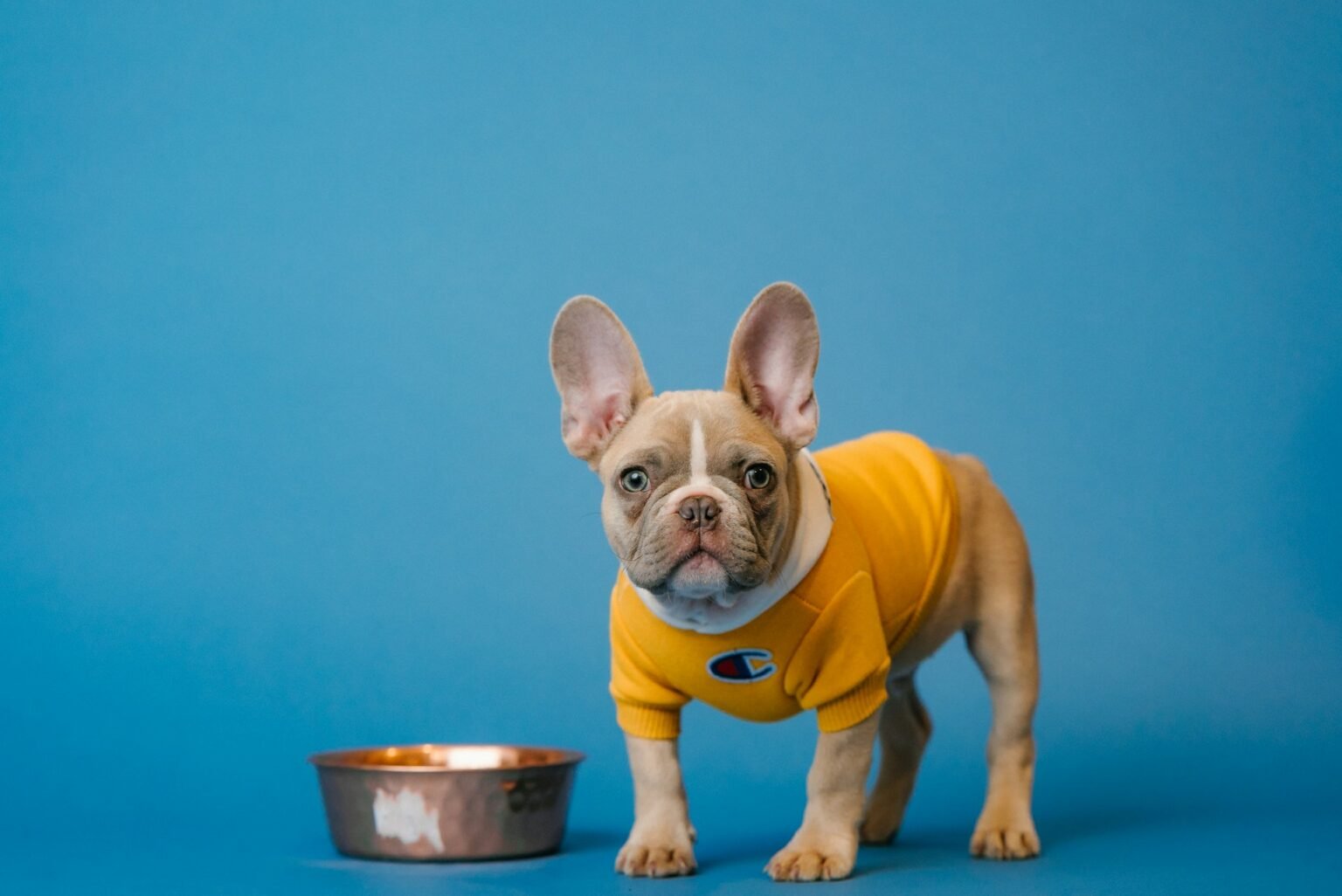

Is your furry friend turning their nose up at mealtime? You’re not alone. Many dog owners struggle with picky eaters, but fresh pet dog food might be the solution you’ve been searching for. This comprehensive guide will explore how fresh pet food can transform mealtime for even the most selective canine companions.
Understanding Picky Eaters
Dogs can become picky eaters for various reasons. Some are naturally selective about their food, while others develop preferences over time. Understanding why your dog is reluctant to eat is the first step toward solving the problem.
Common causes of picky eating include:
- Food sensitivity or allergies to common ingredients like dairy, beef, chicken, eggs, soy, corn, or wheat
- Boredom with the same food day after day
- Receiving too many treats or human food between meals
- Medical issues affecting appetite
- Stress or changes in routine
Before assuming your dog is simply being stubborn, it’s important to rule out medical causes. If your dog suddenly loses interest in eating altogether rather than just being selective, consult your veterinarian to ensure there’s no underlying health issue.
Creating a consistent feeding routine and limiting treats can help establish better eating habits. Dogs who know when to expect meals and aren’t filling up on snacks are more likely to eat their regular food with enthusiasm.
Benefits of Fresh Pet Dog Food
Fresh pet dog food offers numerous advantages over traditional commercial options. Unlike highly processed kibble that may sit on shelves for months, fresh food contains real, recognizable ingredients that maintain more of their natural nutrients.
The benefits include:
- Enhanced palatability – Fresh ingredients have stronger aromas and flavors that appeal to dogs’ sensitive noses and taste buds
- Higher nutritional value – Minimal processing preserves more vitamins and minerals
- Better digestion – Natural ingredients are often easier for dogs to digest
- Improved health outcomes – Many owners report shinier coats, better energy levels, and fewer digestive issues
- Customization options – Fresh food can be tailored to your dog’s specific needs and preferences
For picky eaters especially, the aromatic nature of fresh food can make all the difference. Dogs rely heavily on their sense of smell when deciding what to eat, and fresh ingredients simply smell more appealing than processed alternatives.


Top Fresh Ingredients That Entice Picky Eaters
Certain ingredients are particularly effective at tempting reluctant eaters. When preparing fresh dog food, consider incorporating these picky-eater favorites:
Protein Sources
- Ground turkey – Lean, mild-flavored protein that’s gentle on sensitive stomachs
- Chicken – Highly palatable and easily digestible
- Beef – Rich flavor that many dogs find irresistible
- Lamb – Good alternative for dogs with allergies to more common proteins
- Fish – Especially salmon or sardines for omega-3 fatty acids and strong aromas
Vegetables and Fruits
- Sweet potatoes – Naturally sweet carbohydrate source rich in vitamins
- Carrots – Mild sweetness and satisfying crunch
- Blueberries – Antioxidant-rich and naturally sweet
- Spinach – Nutrient-dense leafy green
- Pumpkin – Excellent for digestion and naturally sweet
Healthy Additions
- Bone broth – Adds moisture and irresistible flavor
- Coconut oil – Healthy fat that enhances palatability
- Eggs – Protein-packed and highly digestible
- Plain yogurt – Adds creaminess and probiotics
- Turmeric – Anti-inflammatory properties and mild flavor
Easy Homemade Fresh Dog Food Recipes
Creating homemade fresh dog food doesn’t have to be complicated. Here are three simple recipes designed to tempt even the pickiest eaters:
Turkey and Sweet Potato Delight
Ingredients:
- 1 pound ground turkey
- 1 large sweet potato, cubed
- 1 cup carrots, shredded
- 1/2 cup spinach, finely chopped
- 1 tablespoon coconut oil
- 1 cup brown rice, cooked
Instructions:
- Heat coconut oil in a large pan over medium heat
- Brown the ground turkey until fully cooked
- Add sweet potatoes and carrots, cook until softened
- Stir in spinach until wilted
- Mix in cooked brown rice
- Allow to cool before serving
Beef and Blueberry Bowl
Ingredients:
- 1 pound lean ground beef
- 1/2 cup blueberries
- 1 cup green beans, chopped
- 1 cup brown rice, cooked
- 1 tablespoon olive oil
- 1 egg, beaten
Instructions:
- Heat olive oil in a large pan
- Cook ground beef until browned
- Add green beans and cook until tender
- Stir in blueberries and cook for 2 minutes
- Add cooked rice and mix well
- Remove from heat and stir in beaten egg
- Allow to cool before serving
Chicken and Vegetable Medley
Ingredients:
- 1 pound ground chicken
- 1 zucchini, shredded
- 1 cup peas
- 1/2 cup carrots, shredded
- 1 tablespoon coconut oil
- 1 cup quinoa, cooked
Instructions:
- Heat coconut oil in a large pan
- Cook ground chicken until no longer pink
- Add all vegetables and cook until soft
- Stir in cooked quinoa
- Allow to cool completely before serving
Transitioning to Fresh Food
Switching your picky eater to fresh food should be done gradually to prevent digestive upset. Follow this transition schedule:
Days 1-3: 75% current food, 25% fresh food
Days 4-6: 50% current food, 50% fresh food
Days 7-9: 25% current food, 75% fresh food
Day 10+: 100% fresh food
During the transition, observe your dog closely for any signs of digestive issues. If problems occur, slow down the transition process. Some dogs may need up to two weeks to fully adjust to their new diet.
Making Commercial Dog Food More Appealing
If preparing homemade food isn’t practical for your lifestyle, you can still enhance commercial dog food to make it more enticing for picky eaters:
- Add warm water or broth – This releases aromas and creates a gravy-like consistency
- Mix in wet food – Combining dry kibble with wet food adds moisture and flavor
- Incorporate fresh toppers – Add small amounts of cooked meat, eggs, or vegetables
- Try yogurt or cottage cheese – A spoonful can add creaminess and probiotics
- Drizzle healthy oils – Fish oil or olive oil can enhance flavor and provide health benefits
- Warm it up – Slightly warming food enhances its aroma and palatability
- Use food puzzles – Making mealtime interactive can increase interest in eating
Remember that consistency is key. Once you find what works, stick with it to establish a routine your dog can count on.
Nutritional Considerations for Fresh Pet Food
While fresh food can be highly beneficial, it’s essential to ensure it meets all your dog’s nutritional needs. Dogs require specific nutrients in proper proportions for optimal health.
| Nutrient | Function | Common Sources |
|---|---|---|
| Protein | Muscle development, tissue repair | Meat, eggs, fish |
| Carbohydrates | Energy source | Rice, sweet potatoes, oats |
| Fats | Energy, cell function, nutrient absorption | Meat, oils, eggs |
| Calcium | Bone and tooth health | Calcium supplements, eggshells |
| Phosphorus | Bone health, energy metabolism | Meat, eggs |
| Vitamins | Various body functions | Fruits, vegetables, organ meats |
| Minerals | Enzyme function, fluid balance | Meat, vegetables, supplements |
When preparing homemade fresh food, consider consulting with a veterinary nutritionist to ensure your recipes provide complete nutrition. Alternatively, look for commercial fresh pet food brands that meet AAFCO (Association of American Feed Control Officials) standards for complete and balanced nutrition.

Storage and Safety Tips
Proper storage of fresh pet food is crucial for safety and maintaining quality:
- Refrigeration: Store fresh food in airtight containers in the refrigerator for up to 3-4 days
- Freezing: Portion meals in freezer-safe containers and freeze for up to 3 months
- Thawing: Thaw frozen portions in the refrigerator overnight
- Serving: Discard any uneaten fresh food after 2 hours at room temperature
- Cleaning: Wash all preparation surfaces, utensils, and food bowls thoroughly
Always follow safe food handling practices when preparing fresh pet food, just as you would when cooking for yourself. This includes washing hands before and after handling ingredients, keeping raw meat separate from other foods, and cooking proteins thoroughly.
Frequently Asked Questions
Q: How much fresh food should I feed my dog?
A: Feeding amounts vary based on your dog’s weight, age, and activity level. As a starting point, feed approximately 2-3% of your dog’s body weight daily, divided into two meals. Monitor their weight and adjust portions accordingly.
Q: Is fresh pet food more expensive than kibble?
A: Yes, fresh food typically costs more than commercial kibble. However, many pet owners find the health benefits and increased palatability worth the investment. To manage costs, consider a partial fresh food diet or making homemade food in bulk and freezing portions.
Q: Can I mix fresh food with kibble?
A: Absolutely! Many dogs benefit from having fresh food mixed with their regular kibble. This approach provides some of the benefits of fresh food while being more economical.
Q: Do I need to add supplements to homemade dog food?
A: Most homemade diets benefit from some supplementation to ensure complete nutrition. Calcium is particularly important if you’re not feeding bones. Consult with your veterinarian about appropriate supplements for your dog’s specific needs.
Q: How long does it take for a picky eater to adjust to new food?
A: Most dogs will adjust within 1-2 weeks, but some particularly stubborn picky eaters may take longer. Consistency and patience are key during the transition period.
Q: Is grain-free fresh food better for picky eaters?
A: Not necessarily. While some dogs with specific grain sensitivities may do better on grain-free diets, many dogs digest grains like rice and oats very well. These can be valuable ingredients in fresh food recipes.
Q: Can puppies eat fresh pet food?
A: Yes, but puppies have different nutritional requirements than adult dogs. If feeding a puppy fresh food, ensure the diet is specifically formulated to meet their growth needs or consult with a veterinary nutritionist.
Success Stories: Transforming Picky Eaters
Many dog owners have successfully converted their picky eaters to enthusiastic eaters with fresh food. Here are a few inspiring examples:
Bailey’s Story: After months of refusing kibble and losing weight, Bailey’s owner switched to a homemade turkey and sweet potato recipe. Within days, Bailey began eagerly anticipating mealtimes and regained her healthy weight.
Max’s Journey: Max would only eat if his kibble was topped with cheese or human food. His owners gradually transitioned him to a mixed diet of high-quality commercial fresh food and kibble. Now Max eats his meals without any additional toppings.
Daisy’s Transformation: Senior dog Daisy had lost interest in eating until her owner began adding warm bone broth and fresh vegetables to her food. The enhanced aroma and flavor reignited Daisy’s appetite, improving her energy levels and quality of life.
These success stories share common elements: patience during transition, consistency in feeding routines, and finding the right combination of ingredients that appeal to the individual dog.
By understanding your dog’s preferences and nutritional needs, you can create fresh pet food that even the pickiest eater can’t resist. Whether you choose homemade recipes or enhance commercial options with fresh additions, your dog will benefit from improved nutrition and mealtime enjoyment.
Remember that what works for one dog may not work for another. Be prepared to experiment with different ingredients and approaches until you find the perfect solution for your furry friend.
With patience and persistence, you can transform your picky eater into an enthusiastic diner who looks forward to every meal!