
Are you considering switching your beloved canine companion to a raw food diet? You’re not alone. Many pet owners are exploring raw feeding as a more natural alternative to processed kibble. This comprehensive guide will walk you through everything you need to know about transitioning your dog to raw food safely and effectively.
What Is a Raw Dog Food Diet?
A raw diet, sometimes referred to as BARF (Biologically Appropriate Raw Food or Bones and Raw Food), consists of uncooked ingredients that mimic what dogs would naturally eat in the wild5. This typically includes:
- Raw meat (muscle meat)
- Raw bones (edible)
- Organ meats
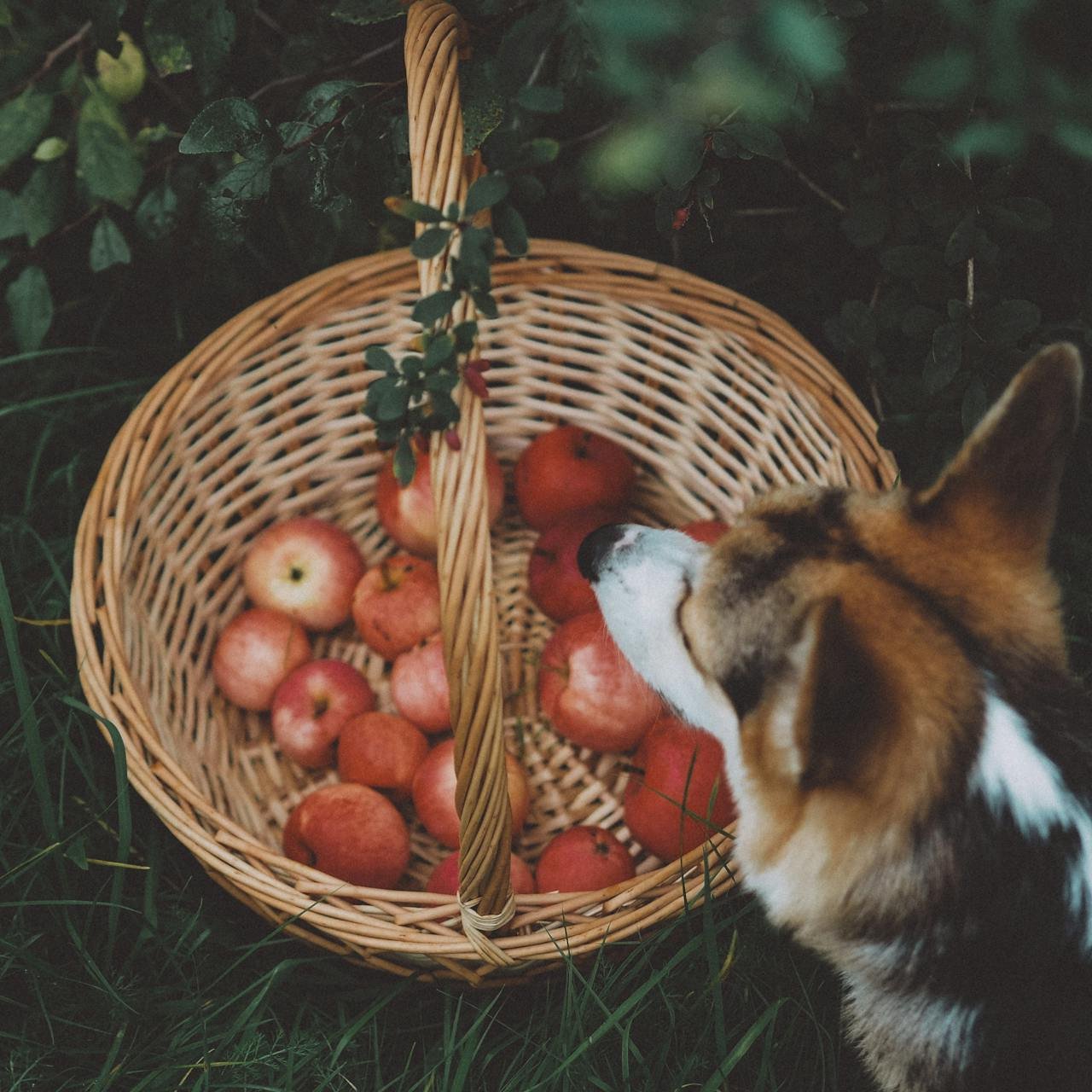
- Fruits and vegetables
- Eggs
The philosophy behind raw feeding is simple: dogs evolved to eat raw, unprocessed foods, and their digestive systems are designed to handle and thrive on such a diet1.
Benefits of Feeding Your Dog Raw
Switching to a raw diet can offer numerous health benefits for your furry friend:
- Improved Digestion: Raw food contains natural enzymes that help dogs digest their food more efficiently, preventing indigestion and optimizing nutrient absorption12.
- Healthier Skin and Coat: The bioavailable nutrients in raw food promote healthier skin and a shinier coat. Many pet owners notice reduced shedding after switching to raw110.
- Better Dental Health: Chewing raw meat and bones naturally cleans your dog’s teeth, reducing plaque and tartar buildup, which can lead to fresher breath110.
- Reduced Odor: Dogs on raw diets often have less “doggy odor” as their skin produces fewer odor-filled oils1.
- Less Waste: Raw-fed dogs typically produce smaller, firmer, less smelly stools that decompose faster because their bodies can use more of what they consume16.
- Increased Energy: Without having to process fillers and carbohydrates, dogs often have more energy and vitality on a raw diet110.
- Better Hydration: Raw food has a higher moisture content than dry kibble, providing natural hydration for your pet1.
- Weight Management: A raw diet can help maintain your dog’s ideal weight as it doesn’t contain added carbohydrates or sugars that are harder to burn off1.
Methods for Transitioning to Raw
There are several approaches to transitioning your dog to a raw diet. The best method depends on your dog’s age, health status, and individual needs.
1. The Straight Swap Method
This is the simplest approach and works well for most healthy dogs6.
- Serve your dog’s last meal of conventional food in the evening
- Start with 100% raw food the following morning
- Monitor your dog’s reaction and adjust as needed
2. The Gradual Transition Method
This method is ideal for dogs with sensitive stomachs or those who are wary of new foods69.
| Day | % Old Food to Raw Food |
|---|---|
| 1 | 80% to 20% |
| 2 | 70% to 30% |
| 3 | 60% to 40% |
| 4 | 50% to 50% |
| 5 | 30% to 70% |
| 6 | 0% to 100% |
Some manufacturers recommend a slightly different schedule:


- Days 1-4: 75% old food, 25% raw food
- Days 5-8: 50% old food, 50% raw food
- Days 9-12: 25% old food, 75% raw food
- Day 13+: 100% raw food11
3. The Meal Replacement Method
This approach works well for dogs that eat multiple times per day7:
- Feed your dog 2 meals a day
- For days 1-7, serve one meal of their usual food and one meal of raw food
- Space meals about 12 hours apart to allow for proper digestion
- After the first week, switch to 100% raw food
4. The Bland Diet Transition
For dogs with very sensitive digestive systems6:
- Start with a bland cooked diet (scrambled eggs, cooked chicken breast, white fish, or turkey mince mixed with sweet potato or pumpkin)
- Feed this for 4-7 days
- Begin introducing raw food gradually using the percentages in the gradual transition method
Step-by-Step Guide to Starting Raw Feeding
Preparation Phase
- Research and educate yourself about balanced raw diets
- Choose a high-quality raw food supplier or learn how to prepare balanced meals at home
- Consult with your veterinarian, especially if your dog has existing health conditions
- Purchase proper storage containers for raw food
- Set up a dedicated preparation area in your kitchen
Implementation Phase
- Select a protein source to start with – chicken or turkey are often recommended for beginners due to their digestibility10
- Follow your chosen transition method from the options above
- Monitor your dog’s reaction to the new diet
- Maintain a consistent feeding schedule – raw food should only be left out for 20 minutes at room temperature4
- Gradually introduce variety – aim to include 5-6 different protein sources over a two-month period13
What to Expect During the Transition
When switching your dog to a raw diet, you may notice some changes as their body adjusts:
Positive Changes
- Smaller, firmer stools: Often one of the first changes, sometimes noticeable within 48 hours6
- Decreased water consumption: Due to the higher moisture content in raw food6
- Increased energy levels: As your dog’s body adapts to more bioavailable nutrients
- Improved coat condition: Usually becomes noticeable after a few weeks
Temporary Adjustment Symptoms
- Digestive changes: Some dogs may experience loose stools as their gut microbiome adjusts10
- Detox symptoms: Mild lethargy, increased shedding, or temporary changes in coat texture10
- Pickiness: Some dogs may need time to adjust to new textures and flavors
Tips for a Successful Transition
To make the switch to raw as smooth as possible, consider these helpful tips:
- Serve food slightly warm: This can enhance the aroma and make it more appealing6
- Introduce one protein at a time: This helps identify any potential allergies12
- Add bone broth: This can make the transition more appealing and support gut health6
- Be patient: Some dogs adapt quickly while others need more time
- Maintain proper hygiene: Always wash your hands after handling raw meat4
- Store properly: Keep raw food frozen until ready to use, then defrost in the refrigerator6
- Consider lightly cooking the raw food for puppies under 4 months, seniors, or dogs with compromised immune systems4
Special Considerations
For Puppies
Puppies can be started on raw food from weaning, but extra care should be taken:
- Consider lightly cooking the food to reduce bacterial risk
- Ensure proper calcium-to-phosphorus ratios for growing bones
- Feed more frequently (3-4 times daily for young puppies)
For Senior Dogs
Older dogs may need special considerations:
- Transition more slowly to allow their digestive systems to adjust
- Consider lightly cooking the food if they have compromised immunity
- Choose proteins that are easier to digest
For Picky Eaters
If your dog is hesitant about trying raw food:
- Eliminate treats between meals to build appetite
- Try hand-feeding small amounts (wash hands afterward)
- Serve meals in a quiet, low-traffic area
- Add enticing toppers like bone broth or a small amount of canned sardines
Common Concerns and FAQs
Is raw feeding safe for all dogs?
While many dogs thrive on raw diets, they may not be suitable for every dog. Dogs with compromised immune systems, certain medical conditions, or those on specific medications should only switch to raw under veterinary guidance58.
What about bacteria like Salmonella and E. coli?
This is a valid concern. To minimize risk:
- Purchase from reputable suppliers with strict testing protocols
- Practice proper food handling and hygiene
- Freeze meat for a few days before feeding to reduce parasite risk
- Consider lightly cooking food for vulnerable dogs89
Will my vet support a raw diet?
Veterinary opinions on raw feeding vary. Some vets actively support raw diets, while others may have concerns. Raw feeding is relatively new compared to commercial kibble, which has been common since the 1950s, so some veterinarians may be less familiar with it9.
How much raw food should I feed my dog?
Most adult dogs require approximately 2-3% of their ideal body weight in food daily. Active, working dogs may need more, while less active or senior dogs may need less. Always monitor your dog’s weight and adjust accordingly.

Can I mix kibble and raw food?
While some pet owners do this, it’s generally recommended to separate raw and kibble meals by at least 12 hours, as they digest at different rates7.
What if my dog experiences digestive issues during transition?
Some temporary digestive adjustment is normal. If your dog experiences prolonged diarrhea, vomiting, or seems unwell, slow down the transition process or consult your veterinarian.
How do I ensure my dog gets balanced nutrition on a raw diet?
Either:
- Purchase commercially prepared complete raw diets that meet AAFCO standards
- Follow a balanced recipe developed by a canine nutritionist
- Ensure variety by rotating proteins and including appropriate amounts of muscle meat, bone, and organs
Conclusion
Transitioning your dog to a raw food diet can be a rewarding journey that potentially offers numerous health benefits. By following a structured transition plan and monitoring your dog’s response, you can help them adapt to their new diet with minimal disruption.
Remember that every dog is unique, and what works for one may not work for another. Be patient, flexible, and willing to adjust your approach based on your dog’s individual needs. With proper planning and care, raw feeding can be a safe, healthy option that supports your dog’s wellbeing for years to come.
Whether you choose a straight swap, gradual transition, or another method, the most important thing is that you’re taking steps toward providing your furry friend with a diet that more closely resembles what nature intended. Your commitment to your dog’s nutrition is a powerful expression of the bond you share.